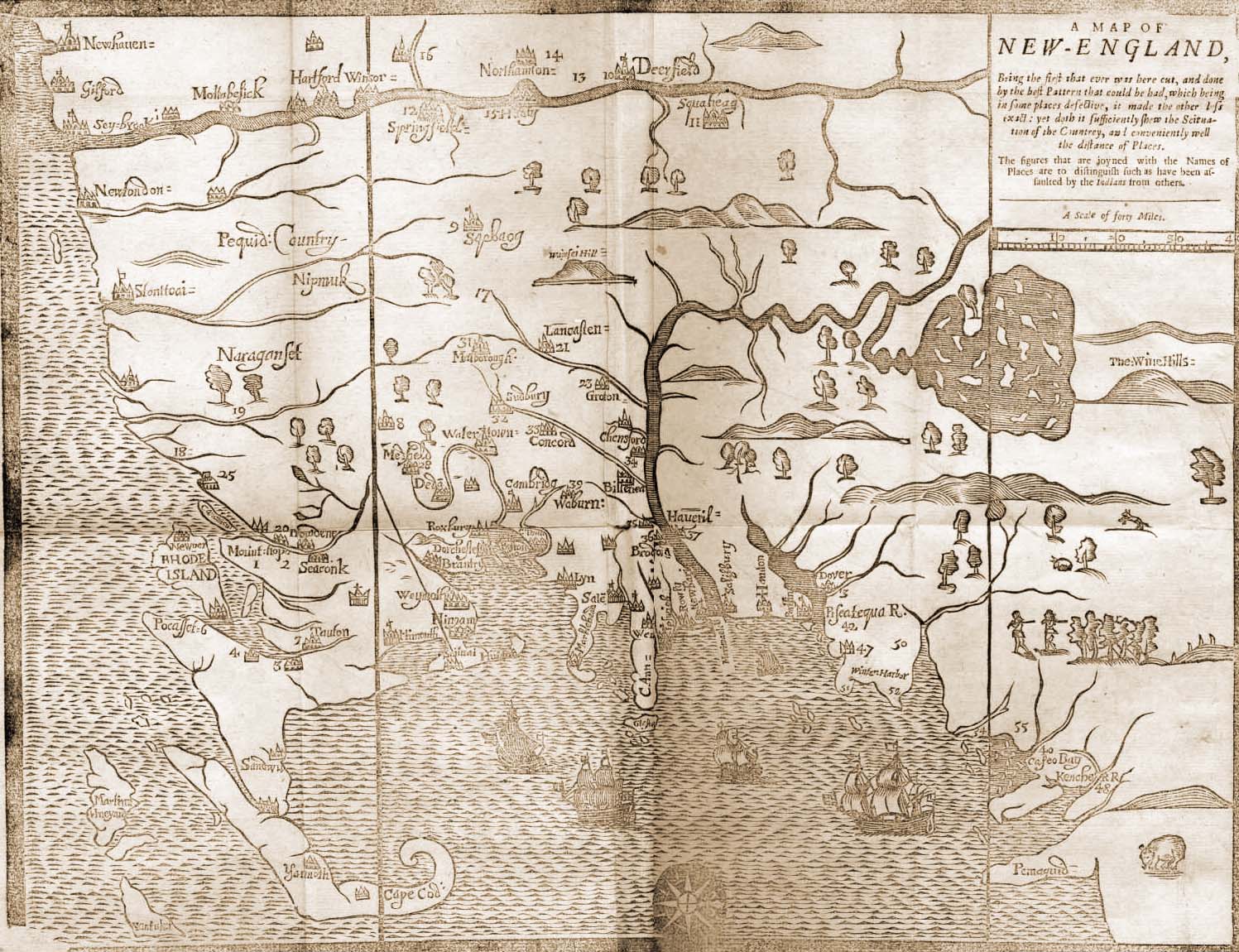
Framingham, Middlesex County, Massachusetts was first known as Danforth’s Farms.
In 1701 the Framingham Church was organized with the Rev. John Swift as the town's first minister. In 1706 the town hired its first schoolmaster and in 1716 the first schoolhouse was built.
Middlesex County, Massachusetts was created on May 10, 1643. The county originally included Charlestown, Cambridge, Watertown, Sudbury, Concord, Woburn, Medford, Wayland, and Reading.
Sarah Towne Bridges Cloyes was born in 1639. She was baptized on September 3, 1648 in Salem, Massachusetts. Her parents were William Towne and Joanna Blessing.
She married her first husband, Edmund Bridges on January 11, 1659/60 in Topsfield. Edmund was born in 1637. His father was Edmund Bridges. Edmund was a farmer.
Sarah and Edmund's children included:
John M. Bridges,
Edmund Bridges (1660),
Elizabeth Bridges (1662),
Benjamin Bridges (1664/65),
Mary Bridges (1667),
Hannah Bridges (1669),
Sarah M. Bridges (1672)
Caleb Bridges (1677), and
Alice Bridges (1680).
Sarah became a widow when Edmund died in 1682. Shortly after he died, she married her second husband, Peter Cloyes (Cloyce) in Watertown, Middlesex County, Massachusetts. Peter was born on May 27, 1640 in Watertown. His parents were John and Abigail Cloyes.
Sarah and Peter's children included:
Benoni Cloyes (1683),
Hepzibah Cloyes (1685), and
Mary Cloyes (1687).
In 1692 she was accused and imprisoned for witchcraft. She was not hanged. After the witch hysteria, they relocated to Framingham. Her sisters, Rebecca Nurse and Mary Easty were executed.
She died in 1703 in Framingham, Massachusetts and is buried there. Peter died on July 18, 1708.
Old Style Calendar
Before 1752 the year began on Lady Day, March 25th,. Dates between January 1st and March 24th were at the end of the year. Old Style (O.S.) and New Style (N.S.) are used to indicate whether the year has been adjusted. Often both dates are used.
Many factors led to the witchcraft accusations in Salem.
Essex County, Massachusetts was created on May 10, 1643 by the General Court of the Massachusetts Bay Colony, when it ordered "that the whole plantation within this jurisdiction be divided into four sheires."